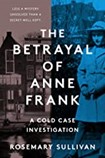
 A cold case team that combed through evidence for five years in a bid to unravel one of WWII’s mysteries has reached what it calls the “most likely scenario” of who betrayed Jewish teenage diarist Anne Frank and her family in the summer of 1944. A possible answer is outlined in a new book titled The Betrayal of Anne Frank: A Cold Case Investigation, by Canadian academic Rosemary Sullivan.
The Franks and four other Jews hid in the annex of a warehouse at Prinsengracht 263 in Nazi-occupied Amsterdam. The annex, reached by a secret staircase hidden behind a bookcase, served the family from July 1942 until they were discovered in August 1944 and deported to concentration camps. The diary Anne wrote while in hiding was published after the war and became a symbol of hope and resilience that has been translated into dozens of languages and read by millions. Only Anne’s father, Otto Frank, survived the war. But the identity of the person who gave away the location of their hiding place has always remained a mystery, despite previous investigations.
Shaped like a procedural or a whodunit, the book examines possible informants, and eventually wends its way to — spoiler alert — Arnold van den Bergh, a prosperous Jewish Dutch notary who may have traded information for the safety of his own family. The theory is convincing, reviewers say, but not conclusive. However, the book does reveal how the horror of the Nazi occupation forced some members of a once close-knit Amsterdam community to turn on one another.
Get Social